
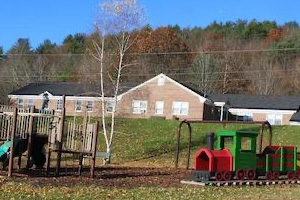
 Butler Cottage was built in 1974 and is an important part of the Kurn Hattin campus. For decades, it has played a role in supporting the school's mission and serving generations of children.
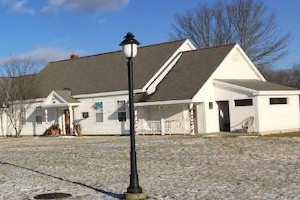 Built in 2006, Maysilles Cottage was named in honor of David J. Maysilles and his wife, Barbara. The cottage reflects the Maysilles family's generosity and their lasting commitment to supporting Kurn Hattin and its mission.
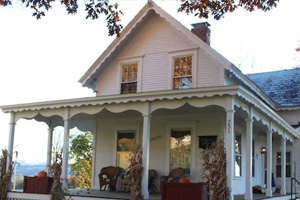
Jennie Ball Cottage is the oldest surviving structure on campus, dating to before 1894. Originally part of the Pierce farm, the building was refurbished and rededicated as Jennie Ball Cottage during Kurn Hattin’s Centennial Celebrations through the generosity of William J. III and Nancy Fowler Scarlett. Rich in history and character, the cottage serves as a reminder of Kurn Hattin's longstanding connection to its agricultural roots.
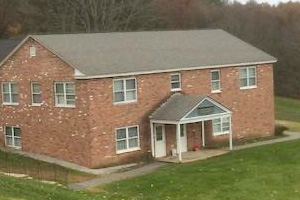 Built in 1976 through the generosity of Oliver J. and Dorothy Penniman Hubbard, Hubbard Cottage is an important part of the Kurn Hattin campus. The building is also home to the Flora H. Morrill LaClair Wellness Center, which provides health services and support for the Kurn Hattin community.
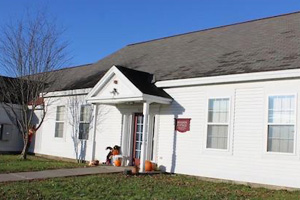
Built in 1994, Dickinson Cottage honors Kurn Hattin founder Rev. Charles Albert Dickinson. The cottage was one of three buildings constructed as part of a campus initiative that brought all residential cottages together on campus, marking an important chapter in Kurn Hattin's history.
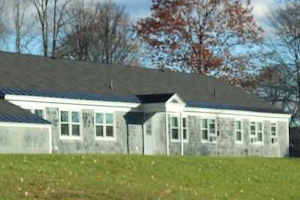 Built in 1973, Morrison Cottage has been a longstanding part of the Kurn Hattin campus. For more than five decades, it has supported the school's mission of providing a safe, nurturing environment where children can learn, grow, and thrive.
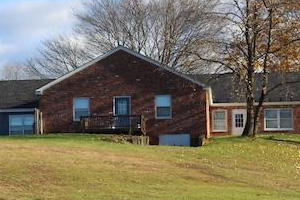 Built in 1978, Parent Cottage was given by John Wisell in memory of his mother, Maude Wisell Parent. Located near the center of campus, the cottage enjoys sweeping views of the surrounding grounds and stands as a lasting tribute to the generosity and support of the Wisell family.
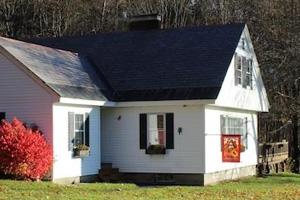 Built in 1953, Tackaberry Cottage was named in honor of Frank R. Tackaberry, a dedicated supporter from Boston. For more than seven decades, the cottage has remained a valued part of the Kurn Hattin campus and its enduring legacy.
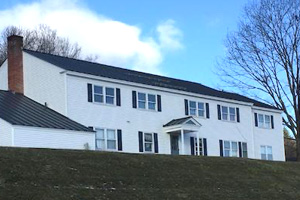 Originally built in 1973 in memory of Herbert and Margaret Turrell, Turrell Cottage was rebuilt in 1988 following a fire. The two-story cottage remains an important part of the Kurn Hattin campus and serves as a lasting tribute to the Turrell family's legacy.
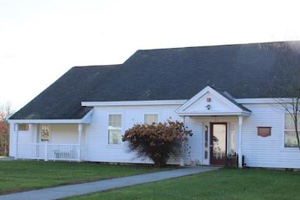
Built in 1994, Warner Cottage honors Sarah J. Warner of Saxtons River, whose generous 1895 bequest led to the establishment of Warner Home, the 150-acre Saxtons River campus that played an important role in Kurn Hattin's history. The cottage serves as a lasting tribute to her legacy and enduring support of the school's mission.
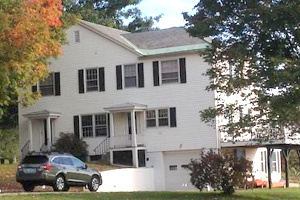 Built in 1942, Wilson Cottage has been a familiar presence on the Kurn Hattin campus for more than 80 years. As one of the school's historic buildings, it reflects the enduring legacy and growth of the Kurn Hattin community.
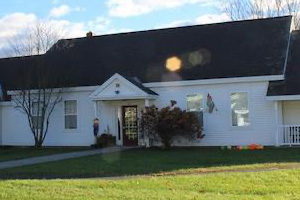
The Woodhull family has a long history of involvement with Kurn Hattin as alumni, supporters, and trustees. In 1994, the family donated Woodhull Cottage as part of a campus initiative that brought residential cottages together on the Westminster campus. The cottage stands as a lasting reflection of the Woodhull family's commitment to Kurn Hattin and its mission.
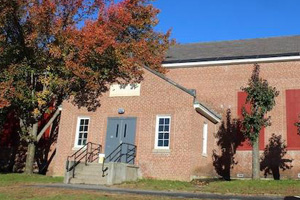
Wheeler Gym was built in 1940. It is the site of our basketball program as well as Physical Education classes.
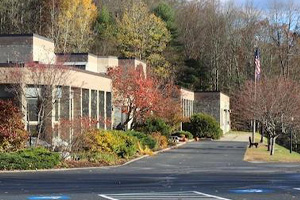
Built in 1989, the Mayo Center is named for the longest-serving Executive Director of Kurn Hattin, W.I. Mayo (1927-1962). The Mayo Center is the main academic building and houses Higbie Auditorium, Watson Dining Hall, and the Kelsey Room.
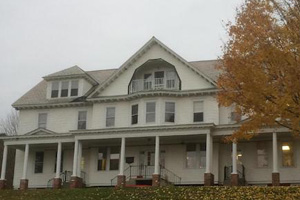
Existing in 1894 and originally called “Main Building,” this edifice burned down in 1908, was rebuilt in 1909 on the same design as the original, and was remodeled as the Dean Mathey Center in 1975. Named after prominent financier, Dean Mathey, who began the Windham Foundation, this building houses the main administrative offices and the counseling center. It has served variously as a dormitory and classroom space as well.